Seasonal Landscaping Tips to Maintain a Vibrant and Healthy Lawn Jun 22, 2026
Spring is the season for rejuvenation, and it’s the ideal time to get your lawn off to a healthy start. Begin by cleaning up any winter debris to allow your grass to breathe. Rake off leaves and twigs, and remove any brown patches that might hinder new growth. Aeration can be particularly beneficial in spring. By perforating the soil, you allow water, air, and nutrients to penetrate the grassroots, promoting stronger and deeper root growth.
When it comes to fertilization, opt for slow-release fertilizers to steadily feed your lawn. This helps in avoiding nutrient overload. Consider seeding to fill in bare spots and ensure consistent lawn coverage. Spring is also a good time to assess and plan for any landscaping projects you wish to undertake, as the weather is temperate and favors plant growth.
As the warm weather of summer sets in, shifting your focus to watering and mowing practices is crucial. Water your lawn early in the morning; this prevents evaporation and allows the grass to absorb moisture before the midday heat. Aim for deep, infrequent watering to encourage roots to grow deeper into the soil, making the lawn more drought-resistant.
Adjust your mower’s height to leave the grass slightly taller during the hot summer months. Taller grass shields the soil, reducing water loss and preventing weed growth. Maintaining sharp mower blades ensures clean cuts, reducing stress on the grass. Keep an eye on pests like grubs and properly address any infestations quickly to prevent extensive damage.
Transitioning into fall, your lawn begins to prepare for dormancy. Fall is the optimal time for overseeding, as the cooler temperatures make it an ideal setting for grass growth and repair after summer stress. Continue with aeration if needed to relieve soil compaction and enhance nutrient absorption. Use a fall-specific fertilizer rich in potassium to strengthen your grass for the coming cold months.
Rake fallen leaves regularly to prevent a heavy layer from blocking sunlight and trapping moisture, which can lead to lawn disease. If you’re considering planting new trees or shrubs, early fall is a great time, giving plants the chance to establish roots before winter arrives.
When winter approaches, it’s time to let your lawn rest. Adjust your final mowing heights to minimize disease and avoid creating patches that may invite pests. Clear the lawn of any unnecessary equipment or garden furniture to prevent damage to the grass beneath. Throughout the winter, keep an eye on snow accumulation, and gently remove it if necessary to avoid suffocation.
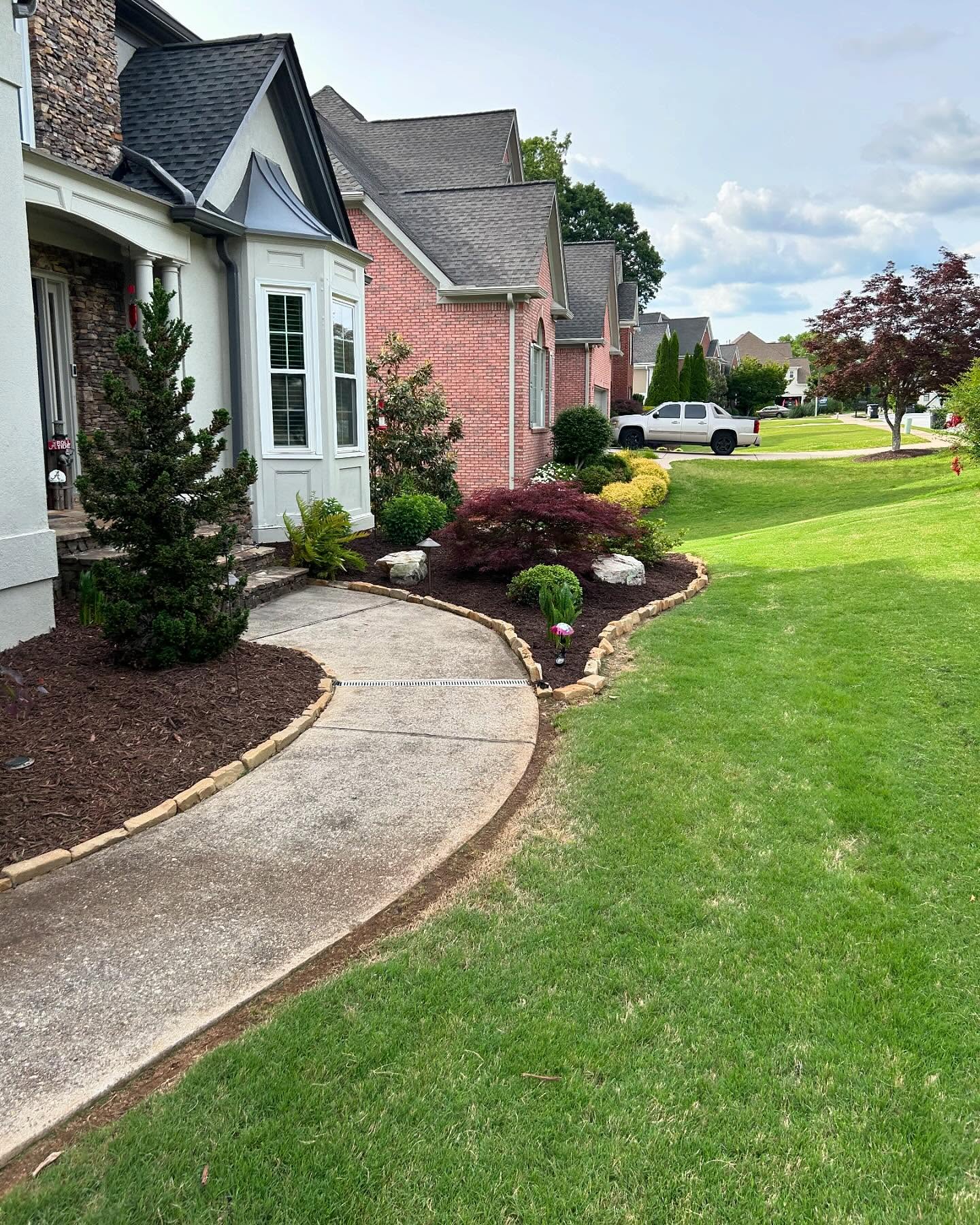
A vibrant and healthy lawn doesn't happen by accident. It requires strategic planning and informed action through each season. By following these seasonal landscaping tips, you can maintain a lush and pleasant yard that enhances your home’s curb appeal.
Circle One Landscaping is here to help you every step of the way with expert services in landscaping and hardscaping. Whether you’re looking to implement a new design or need assistance in maintaining your existing lawn, we are committed to delivering exceptional results throughout the year. Get in touch with us today for personalized advice tailored to your unique landscape needs.
/filters:no_upscale()/filters:format(webp)/media/f850fc09-1000-4f19-9efe-0c5820155443.jpeg)
/filters:no_upscale()/filters:format(webp)/media/de9b15c6-338b-4dee-9945-ffb57104dcd2.jpeg)