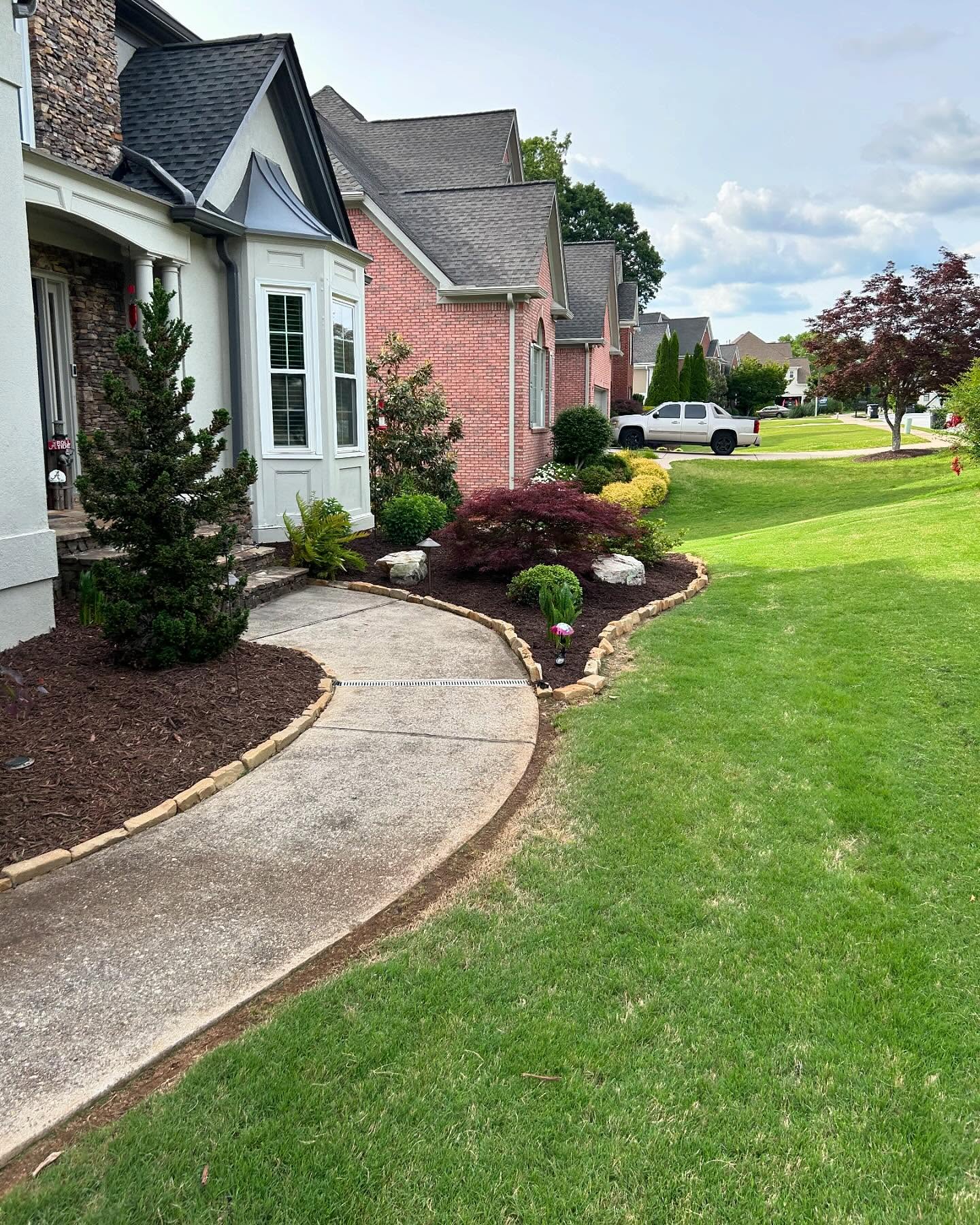
Sustainable Landscaping: Eco-Friendly Practices for a Greener Yard May 22, 2026
To begin your journey towards sustainable landscaping, consider incorporating native plants into your garden design. Native species are well-suited to local climates and soil conditions, reducing the need for chemical fertilizers and excessive watering. This not only conserves resources but also supports local wildlife, as native plants provide food and habitat for pollinators and other beneficial creatures.
Another crucial aspect of eco-friendly landscaping is efficient water management. Circle One Landscaping advocates for the use of drip irrigation systems, which deliver water directly to plant roots. This method significantly reduces water wastage compared to traditional sprinkler systems. Additionally, collecting rainwater in barrels is an excellent way to harness natural resources, providing an alternate water source for your landscaping needs.
Composting is another sustainable practice that can transform yard waste into nutrient-rich soil. Instead of discarding grass clippings, fallen leaves, and kitchen scraps, consider composting them to create a natural fertilizer. This not only reduces landfill waste but also enriches your garden soil, fostering healthier plant growth.
Minimizing lawn size is another effective strategy for sustainable landscaping. Traditional grass lawns require frequent watering, fertilizing, and mowing, which consume significant resources. By replacing portions of your lawn with drought-tolerant plants, permeable paving, or groundcovers, you can reduce maintenance needs and water usage. Consider creating a xeriscape, a landscape designed to minimize water use, which is both eco-friendly and visually appealing.
Hardscaping, or the use of hard materials like stone and wood in landscape design, plays a vital role in sustainable landscaping. By choosing materials that are locally sourced or recycled, you can reduce your environmental footprint. For example, opting for permeable pavers or gravel paths allows rainwater to penetrate the ground, reducing runoff and erosion.
Integrated Pest Management (IPM) is a holistic approach to pest control that prioritizes the health of your garden and minimizes chemical use. By encouraging the presence of beneficial insects, using natural pest deterrents, and applying targeted treatments only when necessary, you can maintain plant health without harming the environment.
As we look to the future, the push for eco-friendly practices in landscaping is clear. At Circle One Landscaping, we encourage homeowners to embrace these methods, not only for their environmental benefits but also for the long-term savings they offer. Sustainable landscaping practices can lead to lower utility bills, reduced maintenance costs, and a healthier outdoor space overall.
In closing, making your yard more sustainable doesn't mean compromising on beauty. With thoughtful planning and strategic implementation, you can create a vibrant and eco-friendly landscape that reflects your commitment to sustainability. Partnering with experts like Circle One Landscaping can help you navigate this journey, ensuring your efforts make a lasting impact for both the environment and your enjoyment. Choose sustainable landscaping today, and take a significant step towards a greener tomorrow.
/filters:no_upscale()/filters:format(webp)/media/f850fc09-1000-4f19-9efe-0c5820155443.jpeg)
/filters:no_upscale()/filters:format(webp)/media/de9b15c6-338b-4dee-9945-ffb57104dcd2.jpeg)